Appendicitis on GLP-1 Medications
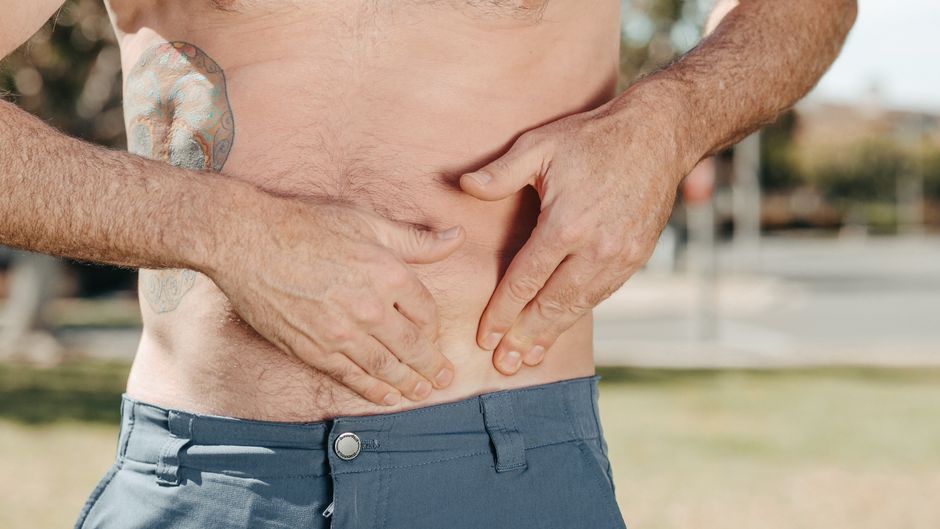 Rare side effect
 Appendicitis is one of the reported side effects of GLP-1 receptor agonists including Ozempic, Wegovy, Mounjaro, and Zepbound. Some studies have suggested a slightly increased risk of appendicitis with GLP-1 medications, though the overall risk remains low and causality is not fully established.
How long does Appendicitis last?
Appendicitis requires immediate surgical treatment.
The timeline can vary from person to person depending on the dose, individual metabolism, and overall health. It is important not to stop your medication without consulting your doctor, even if you are experiencing this side effect.
Which GLP-1 medications cause Appendicitis?
Ozempic, Wegovy, Mounjaro, Zepbound have all been associated with Appendicitis in clinical trials and post-marketing reports. The likelihood and severity can differ between medications due to differences in their mechanisms, dosing schedules, and potency.
If you are experiencing significant discomfort, speak with your prescriber — there may be options to adjust your dose or switch to a different formulation that suits you better.
How to manage Appendicitis
Be aware of the symptoms of appendicitis. Maintain a healthy diet with adequate fiber and hydration. Report any sudden, severe lower right abdominal pain to your doctor immediately.
Most people find that side effects like Appendicitis improve significantly over time as the body adjusts to the medication. Keeping a symptom diary can help you track patterns and identify triggers, which is also useful information to share with your doctor at your next appointment.
⚠️ When to contact your doctor
Seek emergency medical attention immediately for severe pain in the lower right abdomen, fever, nausea, and vomiting.
Never ignore symptoms that feel severe or unusual. Your prescriber can help you weigh the benefits of continuing the medication against the impact of side effects on your quality of life.
Why does Appendicitis happen on GLP-1 medications?
GLP-1 receptor agonists work by mimicking the GLP-1 hormone, which regulates appetite, blood sugar, and digestion. This mechanism — particularly the slowing of gastric emptying — is responsible for many of the gastrointestinal side effects people experience. Appendicitis is a known effect of this pharmacological action rather than a sign that the medication is harming you.
Understanding why a side effect occurs can make it easier to manage. The body typically adapts to GLP-1 medications over several weeks, which is why most side effects are most pronounced in the early stages of treatment or after a dose increase.
Tips for getting through the early weeks
- Start at the lowest dose and increase gradually as prescribed — this significantly reduces side effect severity
- Keep a simple food and symptom diary to identify personal triggers
- Stay in regular contact with your prescriber, especially in the first few months
- Connect with online communities of GLP-1 users — shared experience and practical tips can be invaluable
- Be patient — most people report that side effects improve substantially after the first 4–8 weeks
📺 Watch: Appendicitis — patient and doctor perspectives
Find videos on YouTube →Frequently asked questions
Authoritative sources
This information is for educational purposes only and does not constitute medical advice. Always consult your healthcare provider before making any decisions based on information found here.