Elevated Cholesterol on GLP-1 Medications
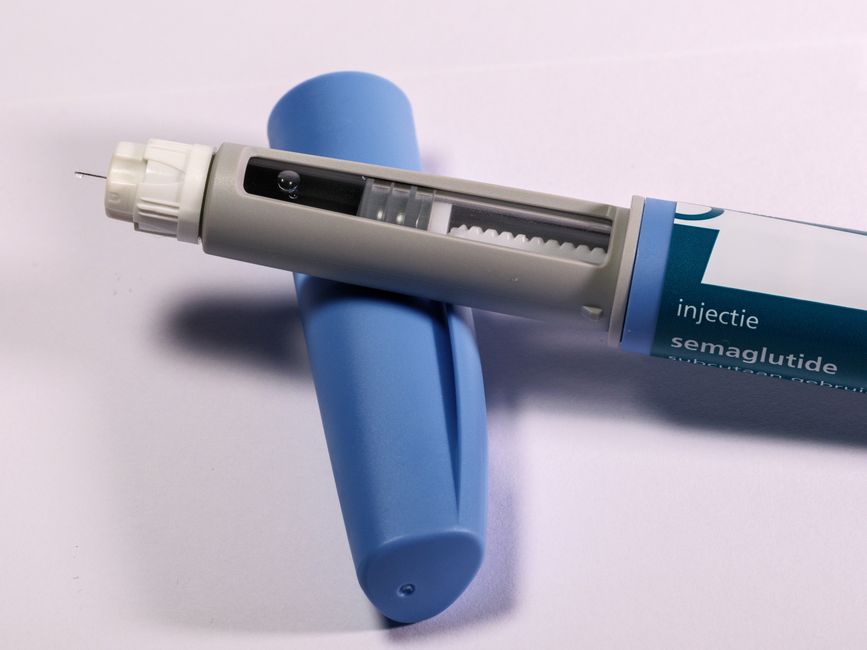 Mild side effect
 Some users experience temporary cholesterol changes during rapid weight loss.
Does GLP-1 Medications cause Elevated Cholesterol?
Yes — Elevated Cholesterol is a documented side effect of GLP-1 Medications (GLP-1 receptor agonists). Some users experience temporary cholesterol changes during rapid weight loss. It is Temporary effect during rapid weight loss phase among people taking GLP-1 Medications, making it one of the more effects to be aware of before starting treatment. Elevated Cholesterol typically begins During the initial rapid weight loss phase and is most pronounced during dose escalation phases.
Elevated Cholesterol is part of a broader pattern of side effects associated with the GLP-1 medication class as a whole, including Ozempic, Wegovy, Mounjaro, Zepbound, Rybelsus. The frequency and severity can differ between individual medications and between individual patients on the same medication.
How long does Elevated Cholesterol last on GLP-1 Medications?
Usually temporary, lipid profiles generally improve with sustained weight loss
The timeline of Elevated Cholesterol on GLP-1 Medications follows a predictable pattern for most patients. Symptoms are most intense when first starting GLP-1 Medications and during each dose increase, then gradually improve as the body adapts. If Elevated Cholesterol persists beyond 8 weeks without any improvement despite consistent dosing, contact your prescriber — a slower dose escalation schedule or a brief dose reduction may help significantly.
How to stop Elevated Cholesterol from GLP-1 Medications
Maintain heart-healthy diet, stay active, continue prescribed cholesterol medications. Beyond these immediate strategies, keeping a detailed record of when elevated cholesterol occurs — noting the time of day, what you had eaten, and how long after your injection — helps identify personal triggers. Many people find that elevated cholesterol is worst in the first hour after eating and improves significantly with smaller meal sizes. If standard approaches are not helping after two weeks, contact your prescriber — prescription anti-nausea or other supportive medications can be very effective for managing elevated cholesterol on GLP-1 medications.
The most important factor in reducing Elevated Cholesterol on GLP-1 Medications is patience combined with practical management strategies. Most people find that Elevated Cholesterol improves substantially after the first 4-6 weeks as the body adjusts to GLP-1 Medications. Keeping a simple symptom diary noting timing severity and potential triggers helps identify patterns and gives your prescriber useful information for managing your treatment.
Is Elevated Cholesterol normal on GLP-1 Medications?
Yes — Elevated Cholesterol is a known and expected response to GLP-1 Medications for many users. Temporary effect during rapid weight loss phase experience Elevated Cholesterol while taking GLP-1 Medications, which means it is far from unusual. The GLP-1 receptor mechanism that makes GLP-1 Medications effective for its primary purpose also affects the systems responsible for Elevated Cholesterol, which is why this side effect is so commonly reported.
That said, Elevated Cholesterol being common does not mean you must simply push through severe symptoms. If Elevated Cholesterol is significantly affecting your quality of life report this to your prescriber — dose adjustments slower titration schedules and supportive treatments can all help manage symptoms while allowing you to continue benefiting from GLP-1 Medications treatment.
⚠️ When to contact your doctor about Elevated Cholesterol on GLP-1 Medications
If significantly elevated on repeat testing. Additionally, contact your prescriber if elevated cholesterol is significantly affecting your ability to work, care for yourself, or enjoy daily activities — you should not simply push through severe symptoms. Your prescriber has several tools available including slower dose escalation, a temporary dose reduction, or supportive medications. When calling your prescriber's office about elevated cholesterol on GLP-1 medications, have your injection schedule and recent food diary to hand as this helps them assess whether the timing and pattern suggest a manageable side effect or something that needs further investigation.
Never stop taking GLP-1 Medications without first discussing it with your doctor even if Elevated Cholesterol is troublesome. Your prescriber can review whether the benefits of continuing treatment outweigh the impact of Elevated Cholesterol on your quality of life and may suggest dose adjustments supportive treatments or a temporary pause rather than complete discontinuation.
Why does GLP-1 Medications cause Elevated Cholesterol?
Rapid mobilisation of body fat stores temporarily increases circulating lipids. This is a direct consequence of how GLP-1 receptor agonists work — the same mechanism that drives weight loss and blood sugar control also affects gut motility and the body's response to food. The brain and gut are closely connected through the vagus nerve, and GLP-1 receptors are found throughout this system. Elevated Cholesterol tends to be most pronounced at the start of treatment and during dose increases because the body needs time to adapt to the new signalling environment. As GLP-1 receptor sensitivity adjusts over weeks, most patients find that elevated cholesterol becomes significantly more manageable even on the same or higher dose.
The body typically adapts to GLP-1 Medications over several weeks as GLP-1 receptors adjust to the presence of the medication. This adaptation process explains why Elevated Cholesterol and most other GLP-1 side effects are most pronounced during the initial weeks of treatment and during dose increases, then tend to improve with continued use. Starting at the lowest dose and increasing slowly is the most effective strategy for minimising Elevated Cholesterol during this adaptation period.
Elevated Cholesterol on GLP-1 Medications vs other GLP-1 medications
Elevated Cholesterol is reported across the entire GLP-1 medication class — Ozempic, Wegovy, Mounjaro, Zepbound, Rybelsus have all been associated with Elevated Cholesterol in clinical trials and real-world use. The frequency and severity can differ between medications due to differences in their potency half-life and receptor binding profiles, as well as between individuals due to genetic factors gut microbiome composition and baseline health status.
If Elevated Cholesterol is significantly affecting your experience on GLP-1 Medications, it is worth discussing with your prescriber whether a different GLP-1 medication or a modified dosing schedule might offer better tolerability for your specific situation. Some patients find they tolerate one medication in this class significantly better than another.
GLP-1 Medications and Elevated Cholesterol — patient experience
People taking GLP-1 medications frequently discuss elevated cholesterol in patient forums and online communities. The consistent finding from patient-reported experience is that elevated cholesterol is most intense in the first few weeks and improves significantly with time on a stable dose. Across medications including Ozempic, Wegovy, Mounjaro, Zepbound and Rybelsus the pattern is remarkably similar — meal size eating speed and food choices have the biggest impact on elevated cholesterol severity. Patients who eat very small portions eat slowly and avoid high-fat meals consistently report better tolerability.
Elevated Cholesterol on GLP-1 Medications — what your prescriber needs to know
All GLP-1 receptor agonists including semaglutide (Ozempic, Wegovy, Rybelsus) and tirzepatide (Mounjaro, Zepbound) share the same fundamental mechanism that causes elevated cholesterol. Because they all activate GLP-1 receptors in the gut and brain, elevated cholesterol appears across the entire class with similar frequency and management approaches. The prescribing information for each of these medications specifically mentions elevated cholesterol as a known side effect that healthcare providers should counsel patients about before starting treatment.
Practical tips for managing Elevated Cholesterol on GLP-1 Medications
- Start at the lowest available GLP-1 Medications dose and increase only according to your prescriber's schedule — rushing dose escalation is the single biggest cause of severe Elevated Cholesterol
- Keep a brief symptom diary noting when Elevated Cholesterol occurs how severe it is and what you were doing or eating beforehand — patterns often emerge that help with management
- Stay in regular contact with your prescriber especially in the first few months on GLP-1 Medications — do not wait until your next scheduled appointment if Elevated Cholesterol becomes difficult to manage
- Connect with online communities of people on GLP-1 Medications — practical peer experience with Elevated Cholesterol management strategies can be invaluable alongside clinical guidance
- Be patient but not passive — most people see significant improvement in Elevated Cholesterol after 4-8 weeks on a stable dose of GLP-1 Medications, but if this does not happen advocate for yourself with your prescriber
- Never adjust your own GLP-1 Medications dose without guidance — both reducing and increasing doses should be done under medical supervision
Frequently asked questions
Authoritative sources
This information is for educational purposes only and does not constitute medical advice. Always consult your healthcare provider before making any decisions based on information found here.